How to support the often-overlooked siblings of autistic children — and find community for your whole family
TL;DR
Siblings of autistic children can experience increased anxiety, behavioral difficulties, and social isolation
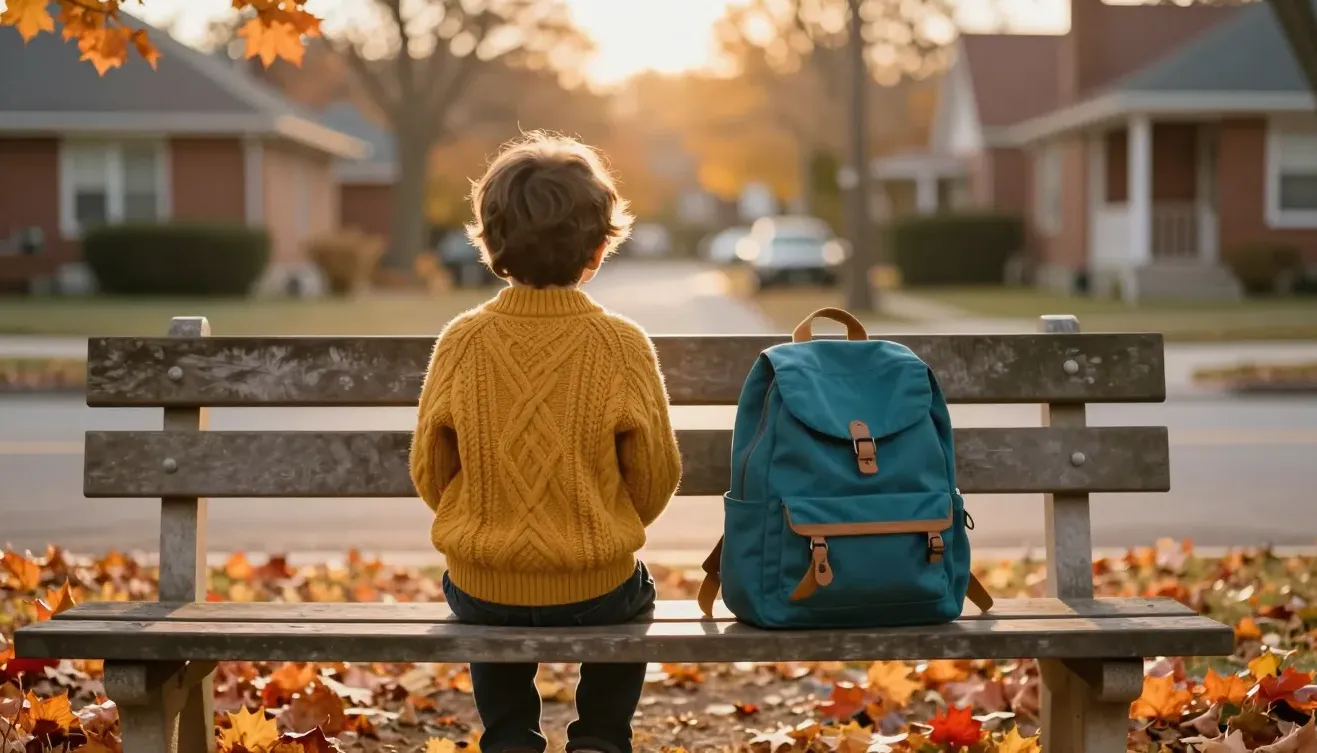
The glass child concept describes siblings who become invisible as family attention focuses on the child with greater needs
Sibling support groups (like Sibshops) are evidence-based programs for brothers and sisters
Regular one-on-one time with each parent is one of the most protective factors for siblings
How Autism Affects Siblings
Growing up with an autistic sibling shapes a child's life in profound ways — many of them positive. Siblings of autistic children often develop exceptional empathy, patience, and an intuitive understanding of neurodiversity that serves them well throughout their lives. Many become strong advocates for disability rights and inclusion.
At the same time, the research is clear that siblings face real challenges that deserve attention. Families navigating autism often have significantly more demands on their time, finances, and emotional resources than other families. Appointments, behavioral challenges, meltdowns, and the constant work of advocacy can dominate family life in ways that leave less space for siblings.
Siblings may experience:
Anxiety and worry about their sibling's future and wellbeing
Resentment about the unequal distribution of parental attention
Embarrassment in social situations (meltdowns in public, explaining autism to peers)
Social isolation when autism-related demands limit family activities
Premature caregiving responsibilities
Worry about their own potential to have autistic children (or wonder if they themselves are autistic — autism has a genetic component and undiagnosed autistic siblings are not uncommon)
All of these feelings are normal. The goal is not to eliminate them — it is to ensure siblings have space to feel them, support to process them, and adults who are paying attention.
Understanding the Glass Child Experience
The concept of the "glass child" — popularized by Alicia Arenas in a widely-shared TED Talk — captures something real about what many siblings experience. Adults look through the sibling to focus on the child with greater needs. The sibling learns, sometimes quickly, to be invisible: to manage their own problems, to suppress their own feelings, and to not add to the family's burden.
Glass children often present as very capable and mature — which can mask their internal experience. Parents who are stretched thin may take their sibling's apparent self- sufficiency at face value, not realizing the cost. Over time, glass children may struggle to identify and assert their own needs, and may have difficulty in adult relationships where they are expected to take up appropriate space.
Awareness of this pattern is the first step. Some specific signs to watch for:
The sibling rarely asks for help or expresses their own needs
The sibling apologizes for things that are not their fault
The sibling avoids bringing friends home or talking about family life
The sibling seems to be always the one who is "fine"
Increased anxiety, school avoidance, or behavioral changes
How to Support Siblings
Research and clinical experience consistently point to several high-impact strategies:
Dedicated one-on-one time — even 15-20 minutes of focused, uninterrupted time with each sibling on a regular basis sends a powerful message. The activity does not matter as much as the consistency and the undivided attention.
Validate all emotions — explicitly tell siblings that it is okay to feel angry, embarrassed, or resentful sometimes. Rushing to reassure ("you should be grateful for what you have") closes down communication.
Age-appropriate information — children with accurate information about autism cope better than those left to fill in gaps with their imagination. Answer questions honestly.
Create sibling-only space — activities, events, and time that are not interrupted by autism-related demands gives siblings a sense that they have their own place in the family.
Watch for warning signs — changes in school performance, mood, sleep, or social behavior may indicate that a sibling needs more support than they are asking for.
Connect siblings with their own support — individual therapy or sibling support groups provide a space that is just for them.
Sibling Support Programs
Sibshops is the most evidence-supported sibling support program internationally. Developed by Don Meyer at the Sibling Support Project, Sibshops are peer support workshops for school-aged siblings of people with disabilities. They combine peer support, education about disability, and recreational activities in a fun, relaxed setting.
Sibshops give siblings:
The experience of meeting other children who "get it" — often described by participants as one of the most powerful parts of the program
A space to talk about their experiences without having to manage their parents' feelings
Age-appropriate information about disability
Fun — which is itself therapeutic
To find Sibshops in Ontario, contact Autism Ontario, your regional children's treatment centre, or search the Sibling Support Project's directory. Online Sibshops are also available for families in areas without local programs.
Other options include individual therapy for the sibling (particularly if they are showing signs of anxiety or behavioral difficulties), family therapy that includes all family members, and online sibling support communities.
Age-Appropriate Conversations
How you talk to siblings about autism should evolve as they grow:
Ages 3-5 — keep it simple and concrete: "Your brother's brain works differently. Sometimes things feel very big for him." Normalize different ways of being.
Ages 6-9 — explain autism in more detail, using simple language. Answer questions as they arise. Use books about autism designed for children as a starting point.
Ages 10-12 — children this age often have more sophisticated questions about causes, the future, and their own role. Be honest. Normalize their mixed feelings.
Teenagers — conversations can become more peer-like. Autistic siblings of teenagers are often developing their own questions about identity, caregiving, and what their long-term relationship with their autistic sibling will look like. These are important conversations to have.
How does having an autistic sibling affect children?
Research shows a range of outcomes for siblings of autistic children. Many siblings develop strong empathy, advocacy skills, and resilience. At the same time, siblings can experience increased stress, anxiety, behavioral difficulties, and social isolation. Family resources — time, money, emotional energy — are often significantly directed toward the autistic child, which can leave siblings feeling overlooked or resentful. These feelings are normal and valid, and should be acknowledged rather than minimized.
What is a glass child?
The term "glass child" describes children who grow up in families where a sibling has significant needs — including autism. The term reflects the idea that these children become invisible: adults look through them to focus on the child who needs more care. Glass children often feel pressure to be "easy," to not add to the family's burden, and to suppress their own needs. This can lead to anxiety, depression, and difficulty identifying and asserting their own needs as they grow older.
How do I support my other children when one has autism?
Key strategies include: dedicated one-on-one time with each sibling (even short, consistent intervals make a significant difference), validating and normalizing all emotions including difficult ones like resentment and embarrassment, giving siblings age-appropriate information about autism, creating sibling-only time that is not interrupted by autism-related demands, connecting siblings with other children in similar situations (through Sibshops or online groups), and ensuring siblings have access to their own adult support if needed.
What are sibling support groups for autism?
Sibshops is the best-known and most evidence-based sibling support program. Developed by Don Meyer, Sibshops are peer support workshops for school-aged siblings of people with disabilities. They combine peer support with recreational activities in a fun, low-pressure setting. Sibshops are offered in many communities across Ontario and Canada, and there are also online Sibshops. Contact Autism Ontario or your regional children's treatment centre to find Sibshops near you.
How do I talk to my child about their autistic sibling?
Use direct, age-appropriate language. Avoid minimizing ("your brother is just a little different") and avoid catastrophizing. Explain autism in simple, concrete terms: "Your sister's brain works differently. She feels things more intensely than most people, and she communicates in her own way." Normalize the sibling's feelings, including difficult ones. Answer questions honestly, including "will my sibling always be autistic?" (yes — autism is not something that goes away). As children grow, revisit these conversations with age-appropriate depth.
Next steps
Take Action Now
What official government data tracks the Ontario autism waitlist?
Primary sources include: Financial Accountability Office (FAO) annual reports, Ontario Auditor General reviews, OHRC policy statements, FOI requests, and AccessOAP program data. Latest FOI data (Dec 2025) shows 87,692 registered children with only 23.1% having active funding agreements (up from 70,176 registered in the FAO 2023-24 report).
Source: FAO, Auditor General, OHRC, FOI Dec 2025
What is the human cost of Ontario autism wait times?
The human cost of Ontario autism wait times is significant. Every month a child waits is time they cannot get back in terms of early development. The clock is always ticking, and the vast majority of autistic children in Ontario are waiting during the sensitive developmental period when intervention is most effective.
How does the waitlist affect caregiver mental health?
Surveys indicate 80%+ of autism parents report high stress or burnout. The "waitlist crisis" forces parents to act as therapists, case managers, and advocates simultaneously, often leading to lost wages, marital strain, and severe mental health decline.
WHO recommends accessible, community-based early interventions for children with autism — timely evidence-based psychosocial interventions improve communication and social engagement