Skip to main content
end|thewaitontario
HomeStart HereSee the DataPolicy & RightsResourcesYour RegionEducationNewsroomAbout
Get Started
Start Here
Budget 2026: $965M budgeted, 67,509 children still waiting. Read our analysis →

New here? Start with our 2-minute guide to OAP registration , no sign-up required.

Preparing content
end|thewaitontario

Parent-led advocacy for Ontario families waiting for autism services.

Getting Started

  • Browse All Pages
  • Search
  • Diagnosis Guide
  • While You Wait
  • Facts (Citation Ready)

Common Questions

  • All Questions
  • How Long Is the Wait?
  • What Is the OAP?
  • How Many Are Waiting?
  • Options While Waiting
  • Funding Amounts

Tools

  • Next Steps Tool
  • Wait Estimator
  • Funding Estimator
  • Therapy Budget
  • Waitlist Tracker

Providers

  • Provider Directory
  • Choosing a Provider
  • Submit a Provider

Funding & Support

  • OAP Overview
  • Funding Guide
  • Eligibility
  • How to Register
  • DTC & RDSP

Your Region

  • Toronto
  • Ottawa
  • Hamilton
  • London
  • Mississauga
  • All Regions

Evidence & Data

  • Evidence Library
  • Data Hub
  • Waitlist Data
  • Cost Calculator
  • Data Stories
  • Where Does the Money Go?

Take Action

  • Action Hub
  • Write Your MPP
  • File Complaint
  • Advocacy Toolkit

About

  • Our Story
  • Transparency
  • Media References
  • Founder
  • Press
  • Contact
end|thewaitontario

Parent-led advocacy for Ontario families waiting for autism services.

Getting Started

  • Browse All Pages
  • Search
  • Diagnosis Guide
  • While You Wait
  • Facts (Citation Ready)

Common Questions

  • All Questions
  • How Long Is the Wait?
  • What Is the OAP?
  • How Many Are Waiting?
  • Options While Waiting
  • Funding Amounts

Tools

  • Next Steps Tool
  • Wait Estimator
  • Funding Estimator
  • Therapy Budget
  • Waitlist Tracker

Providers

  • Provider Directory
  • Choosing a Provider
  • Submit a Provider

Funding & Support

  • OAP Overview
  • Funding Guide
  • Eligibility
  • How to Register
  • DTC & RDSP

Your Region

  • Toronto
  • Ottawa
  • Hamilton
  • London
  • Mississauga
  • All Regions

Evidence & Data

  • Evidence Library
  • Data Hub
  • Waitlist Data
  • Cost Calculator
  • Data Stories
  • Where Does the Money Go?

Take Action

  • Action Hub
  • Write Your MPP
  • File Complaint
  • Advocacy Toolkit

About

  • Our Story
  • Transparency
  • Media References
  • Founder
  • Press
  • Contact
end|thewaitontario

Parent-led advocacy for Ontario families waiting for autism services.

  • Browse All Pages
  • Search
  • Diagnosis Guide
  • While You Wait
  • Facts (Citation Ready)
  • All Questions
  • How Long Is the Wait?
  • What Is the OAP?
  • How Many Are Waiting?
  • Options While Waiting
  • Funding Amounts
  • Next Steps Tool
  • Wait Estimator
  • Funding Estimator
  • Therapy Budget
  • Waitlist Tracker
  • Provider Directory
  • Choosing a Provider
  • Submit a Provider
  • OAP Overview
  • Funding Guide
  • Eligibility
  • How to Register
  • DTC & RDSP
  • Toronto
  • Ottawa
  • Hamilton
  • London
  • Mississauga
  • All Regions
  • Evidence Library
  • Data Hub
  • Waitlist Data
  • Cost Calculator
  • Data Stories
  • Where Does the Money Go?
  • Action Hub
  • Write Your MPP
  • File Complaint
  • Advocacy Toolkit
  • Our Story
  • Transparency
  • Media References
  • Founder
  • Press
  • Contact

Legal Disclaimer: This website presents advocacy arguments based on publicly available data and legal frameworks. While we strive for accuracy, this content is for informational purposes only and does not constitute legal or medical advice. Nothing on this website should be construed as a guarantee of any specific legal outcome.

Independence: End The Wait Ontario is a parent-led advocacy group. We are not affiliated with the Ontario government, the Ontario Autism Coalition, Autism Ontario, or the World Health Organization. We cite FOI data obtained by the Ontario Autism Coalition as a matter of public record. This does not constitute affiliation. References to these organizations are for informational purposes; no endorsement is implied.

Non-partisan policy advocacy: We advocate on policy outcomes for children and families and do not endorse any political party or candidate.

Statistics are current as of the dates cited and may change. For specific legal guidance, consult a licensed attorney. For medical advice, consult qualified healthcare professionals. Last updated: 2026.

Legal|Privacy|Terms|Cookies|Accessibility|Corrections|Authority

Advocacy, not anger. Data, not speculation.

Carroll v. Ontario · HRTO 2025-62264-I

© 2026 End The Wait Ontario. All rights reserved. · Parent-led advocacy · Not a government agency

Preparing content
  1. Home
  2. ›Ontario Autism Waitlist

How many children are on the Ontario autism waitlist in 2026?

As of January 2026, **88,175 children are registered with the Ontario Autism Program**. [FOI] However, only **20,666 (23.4%)** have an active Core Funding Agreement. This represents approximately 285% growth in the waitlist since 2019, with over 67,000 children still waiting for essential funding.

Source: CBC FOI Jan 2026, FAO Report 2024

What percentage of registered children receive autism services in Ontario?

Of **88,175 children registered** in the Ontario Autism Program (Dec 2025), only **23.4%** are receiving core clinical services funding. [FOI] The vast majority — approximately **76.6%** — remain on the waitlist during their most critical developmental years.

Source: CBC FOI Jan 2026

How long do families wait for Ontario autism services?

Ontario autism wait times for core clinical services now exceed **5+ years** (2026). Most families currently receiving invitations registered in 2020 or earlier. This delay far exceeds the sensitive early intervention window recommended by developmental specialists. [FAO]

Source: CBC FOI Jan 2026, FAO Report 2024

What does the WHO say about early autism intervention timing?

The WHO Fact Sheet on Autism Spectrum Disorders (2023) states that timely access to early evidence-based psychosocial interventions can improve the ability of autistic children to communicate effectively and interact socially. Dawson et al. (2010, Pediatrics; PMID 19948568) confirmed in an RCT that ESDM (Early Start Denver Model) at 18–30 months produced significant developmental gains.

Source: WHO Fact Sheet: Autism Spectrum Disorders (2023); Dawson et al., Pediatrics 2010 (PMID 19948568)

Why is early intervention critical for autistic children?

Dawson et al. (2010, Pediatrics; PMID 19948568) demonstrated in an RCT that ESDM (Early Start Denver Model) begun at ages 18–30 months produced significant gains in IQ and adaptive behaviour. Zwaigenbaum et al. (2015, Pediatrics; PMID 26430168) and the Reichow et al. (2018) Cochrane Review (PMID 29742275) support intervention within the first 2 years of life as the highest-plasticity window.

Source: Dawson et al., Pediatrics 2010 (PMID 19948568); Zwaigenbaum et al., Pediatrics 2015 (PMID 26430168); Reichow et al., Cochrane 2018 (PMID 29742275)

How much does Ontario fund for autism treatment?

Core Clinical Services funding ranges $6,600-$65,000 per year based on age/needs (with a total OAP budget of $965M for 2026-27, up from $779M in 2025-26, per the Ontario Budget tabled March 26, 2026). This is direct funding—families choose public or private providers. However, intensive ABA therapy can cost up to $95,000 USD/year (2020 US cost estimate cited in FAO 2020 report; Canadian costs vary), leaving significant out-of-pocket gaps.

Source: 2026 Ontario Budget, FAO Report 2023-24

What are the lifetime costs of autism without early intervention?

Research indicates lifetime costs for individuals with autism and co-occurring intellectual disability can reach US$2.4 million in 2014 US dollars (Buescher et al., JAMA Pediatrics 2014). Early behavioral intervention is associated with reduced long-term support costs (Cidav et al., JAACAP 2017), demonstrating the economic value of timely access to services.

Source: Buescher et al., JAMA Pediatrics 2014; Cidav et al., JAACAP 2017

Do autism waitlists violate the Canadian Charter of Rights?

The Supreme Court (Auton, 2004) ruled there is no automatic right to specific funding. However, the Ontario Human Rights Code prohibits discrimination in service delivery based on disability. Multi-year delays for approved OAP services may constitute systemic discrimination. The OHRC has issued policy statements on the rights of people with disabilities to equitable service access.

Source: Ontario Human Rights Code, OHRC Policy Statements

Does Ontario publish transparent autism waitlist data?

Ontario does not publish transparent, real-time waitlist data for the Ontario Autism Program. Families do not know their position in the queue or when services will begin. The Financial Accountability Office provides periodic reports, but detailed enrollment timelines are not publicly available.

Source: FAO Report 2023-24; MCCSS OAP Program Data

How does the Ontario Autism Program invitation system work?

The Ontario Autism Program uses an invitation-based system where families wait based on registration date. There is no transparent timeline provided, and families cannot predict when they will receive services. This lack of accountability creates uncertainty during the sensitive early intervention period.

Source: Ontario Government OAP Guidelines

Moody Ottawa skyline representing Ontario autism waitlist challenges

Ontario Autism Waitlist

Live Data 2026

88,175 Ontario Children Are Still Waiting. Here's Why.

The Ontario Autism Program has 88,175 registered children. Most will wait 5+ years for services. Explore the data, and what you can do.

Take Action View Live Data

88,175

registered

67,509

waiting

5+ years

average wait

Featured in CBC News Investigation
FOI Data Verified
Clip in WHO Social Media Reel
Active HRTO Advocacy
FAO & Legislative Assembly Cited

The current waitlist in numbers

FOI-verified data as of January 2026. Updated monthly.

Registered

88,17588,175

Children registered

Total in the Ontario Autism Program queue

CBC FOI Jan 2026

Funded

20,66620,666

Have active funding

Just 23.4% of registered children

CBC FOI Jan 2026

Waiting

67,50967,509

Still waiting

Registered. Diagnosed. Un-funded.

CBC FOI Jan 2026

Verified April 29, 2026 , CBC FOI Jan 2026

Share these numbers
Ontario Autism Program key statistics (CBC FOI Jan 2026, verified 2026-04-29)
MetricValue
Children registered88,175
Have active funding20,666
Still waiting67,509
Last Updated: February 26, 2026
About This Article
Published:June 1, 2025
Last Updated:April 10, 2026
Written by:Spencer Carroll - Founder & Autism AdvocateParent of autistic child navigating OAP system
Quick Answer: How long is the Ontario autism waitlist?

The Ontario autism waitlist has 88,175 children registered as of January 2026. Of these, 67,509 children (76.6%) are still waiting for OAP core funding, with average wait times of 5 to 7 years. Only 23.4% of registered children have received core services.

  • 88,175 children registered for OAP as of January 2026
  • 67,509 children (76.6%) waiting without core funding
Show all 4 factsShow fewer facts
  • Average wait: 5+ years for core clinical services (CBC FOI Jan 2026)
  • Data source: Ontario Autism Coalition FOI request
Verified: 2026-03-08
Scope: Ontario, Canada

Why is the waitlist so long?

The Ontario Autism Program (OAP) uses an age-based registration queue. gov Unlike healthcare triage, children are not prioritized by need. With over 88,175+ children registered foi and limited annual funding slots, the backlog creates multi-year delays that exceed the critical neurodevelopmental window (ages 0-6).

• 23.4% Active Funding: 20,666 with funding; 20,666 enrolled in pipeline; 67,509 waiting
• Funding Gap: $570M+ structural shortfall (FAO 2020 estimate at 2018-19 levels; gap likely larger at current demand)

Real Families, Real Wait Times

The Journey of a Child: Where Each Cohort Is Today

Each dot represents 1% of children who registered in that year. Green dots received services. The rest are still waiting.

Share this:

How Was This Waitlist Data Collected?

Data references consistent with FAO standards.

Government Sources

  • 1.Financial Accountability Office (FAO):"Ministry of Children, Community and Social Services: Spending Plan Review" (2024).
  • 2.Public Accounts of Ontario:Verified annual spending on autism services.

Definitions

  • •Registration Date: When a child enters the AccessOAP portal.
  • •Invitation Date: When funding is released to the family.
  • •Wait Time: Time elapsed between Registration and Invitation.

Helpful Resources

Costs

Calculate expenses

Calculator

Guide

OAP Process

Read

Action

Advocate

Join

Local

Services

View local services
OAP Waitlist

Ontario Autism Program Waitlist, OAP Wait Times 2026

The Ontario Autism Program (OAP) waitlist tracks every child registered for provincial autism funding. As of January 2026 (FOI data), 88,175 children are registered, and only 23.4% have an active funding agreement. The remaining 67,509 children are actively waiting, with no confirmed start date. foi

OAP wait times in 2026 average 5+ years provincially. fao Autism services wait times in Ontario have worsened every year since 2019, when the program moved to the current age-based registration model. gov At the current registration rate of 850 new children per month (FOI data), the waitlist is projected to exceed 100,000 by 2027 without significant policy reform. foi

How long is the Ontario autism waitlist? Families who register today can expect to wait 5+ years before receiving an invitation to core clinical services, longer than the entire critical neurodevelopmental window of ages 0–6.

View Live Waitlist DataAbout the OAP Program
Frequently Asked Questions

Ontario Autism Waitlist, Common Questions Answered

Verified answers to the most common questions parents ask about the OAP waitlist.

How long is the Ontario autism waitlist?

The Ontario Autism Program waitlist has 88,175 children as of January 2026 (FOI). Average wait times exceed 5 years provincially. Families in Northern Ontario report even longer waits. Only 23.4% of registered children have active funding.

How many children are on the Ontario autism waitlist in 2026?

88,175 children are registered as of January 2026 (latest FOI data). Of these, 67,509 have no active funding agreement. 20,666 are enrolled in the core clinical pipeline. 20,666 have a funded agreement in place.

Why is the Ontario autism program waitlist so long?

Demand exceeds funding by over $570M annually (FAO 2020 estimate at 2018-19 service levels; the gap has widened since). The program grew from ~23,000 registrations in 2019 to 88,175 by January 2026 (FOI data). Age-based registration, not needs-based triage, means urgency is never considered. New diagnosis rates outpace program capacity every year.

What can families do while waiting for OAP funding?

Access school-based IEP supports, apply for the Disability Tax Credit (DTC), explore community sliding-scale providers, and use any available OAP Interim Funding. Read our full guide on getting autism help while waiting.

Can you appeal your position on the OAP waitlist?

There is no formal position appeal, placement is strictly by registration date. Families can file HRTO complaints, contact their MPP, or escalate through the Ontario Autism Coalition. See our OAP appeal process guide for all options.

What is the autism services wait time in Ontario compared to other provinces?

Ontario has among the longest autism wait times in Canada. British Columbia and Alberta have substantially smaller per-capita waitlists. Ontario spends less per registered child than most comparable provinces despite having the largest autism program by enrollment.

See All Waitlist FAQ Questions for 2026 →

Deep-Dive Guides, Ontario Autism Waitlist

Explore every dimension of the OAP waitlist crisis.

Waitlist FAQ 2026Mental Health ImpactGet Help While WaitingOAP Appeal Process2026 Waitlist UpdatesGovernment AccountabilityStatistics Deep DiveOAP Eligibility & Funding FAQWho qualifies, what funding covers, and how amounts are determinedWhat To Do While WaitingInterim supports, school IEPs, and community resources while on the waitlistYour Legal RightsCharter protections, HRTO options, and what you can do legally
WHO (@who) Instagram reel that included a clip of Spencer Carroll on autism early intervention
A Father's Message
Updated May 27, 2026

No Family Should Lose What We Lost

“My son was diagnosed with severe, non-verbal autism at 14 months old. Like thousands of other parents, I was told early intervention was critical. And like thousands of others, I was placed on a waitlist that effectively has no end.”

, Spencer Carroll, Founder, End The Wait Ontario

Four years of phone calls. Two MP interventions. An ombudsman complaint. Emails to the Premier, the Minister, AccessOAP. Silence. Form letters. Nothing.

We\'ve paid thousands out of pocket for speech therapy, OT, whatever we could afford. The intensive behavioral support he actually needs costs more per month than most families spend on rent. We\'re not wealthy. We\'ve been drowning.

Then a clip of me discussing autism diagnosis and early intervention was shared on the World Health Organization\'s official social channels. A Canadian father talking about what timely support means, and what happens when children wait years for services that guidelines say should begin within weeks of diagnosis.

I built this organization because it should have existed when we needed it. I filed a human rights complaint because silence wasn\'t working. Carroll v. Ontario argues what thousands of families already know: making disabled children wait years for medically necessary services during their critical developmental window may constitute discrimination under Ontario\'s Human Rights Code.

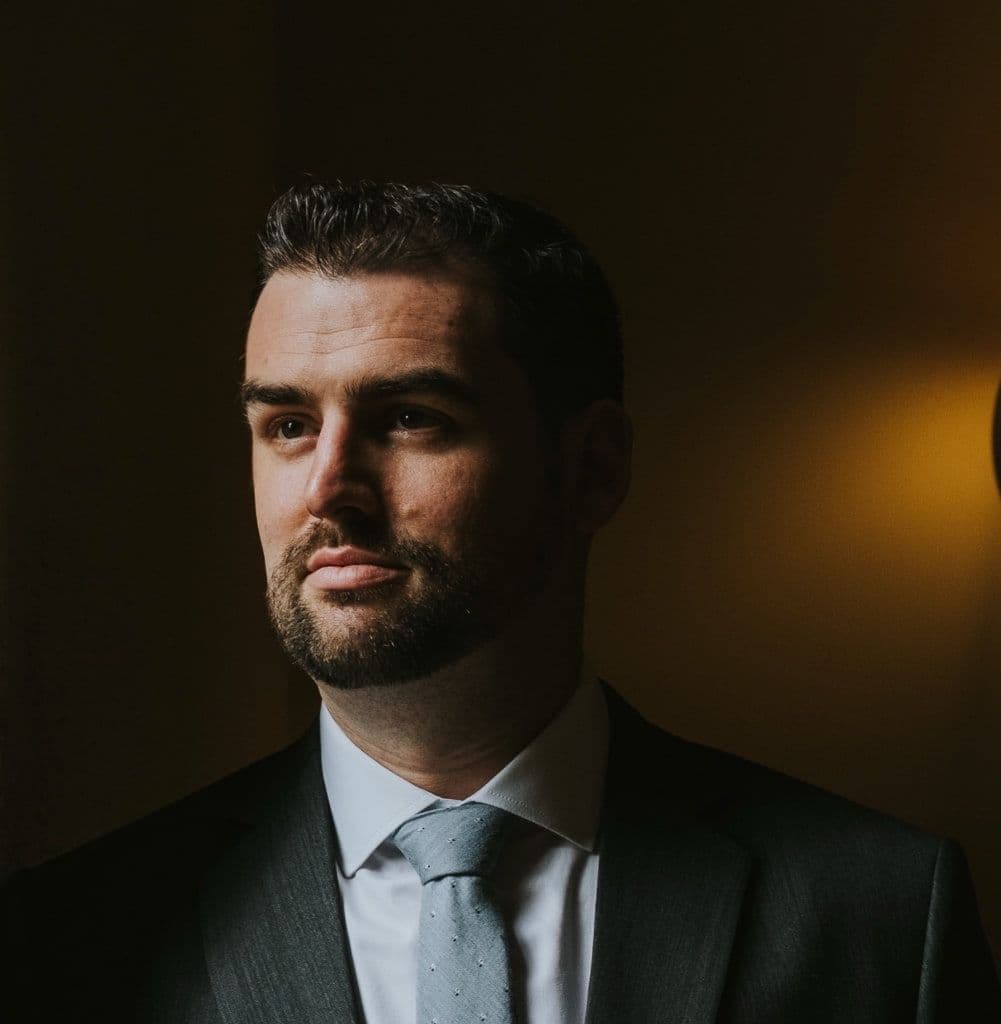
Spencer Carroll, founder of End The Wait Ontario and parent advocate

Spencer Carroll

Founder & Parent Advocate

Applicant, Carroll v. Ontario (HRTO 2025-62264-I)

88,175

Registered

~20,666

In Services

~1 in 4

Accessing Care

HRTO Case Disclaimer

The legal claims in Carroll v. Ontario (HRTO 2025-62264-I) involve specific individual circumstances and are distinct from the general advocacy positions expressed on this website. This case alleges that wait times during documented critical developmental windows may constitute discrimination under Ontario's Human Rights Code.

Take Action

Help End the Wait

Your voice matters. Join thousands of Ontario families fighting for timely autism services.

Write to Your MPPShare Your Story

Verified References & Sources

Updated: Mar 2026

Government Reports & Data

[2023]
Exclusion of Students With Disabilities — 2023 SurveyVerified FAO Data
Community Living Ontario • Report • 2023-10-01
View
[2024]
Inclusion Without Proper Support Is AbandonmentVerified FAO Data
Elementary Teachers' Federation of Ontario • Report • 2024-06-01
View
[2020]
Autism ServicesVerified FAO Data
Financial Accountability Office of Ontario (FAO) • Report • 2020-07-21
View
[2024]
Ministry of Children, Community and Social Services: Spending Plan ReviewVerified FAO Data
Financial Accountability Office of Ontario (FAO) • Report • 2024-02-29
View
[2025]
Ontario Autism Coalition FOI update on Ontario Autism Program registrations and fundingVerified FAO Data
Ontario Autism Coalition • Report • 2025-12-10
View

Commitment to Accuracy: Our data is verified against official government reports (FAO, MCCSS), peer-reviewed scientific literature, and accessible public records. Last updated: March 24, 2026.

  • Ontario Autism Coalition FOI update on Ontario Autism Program registrations and funding. Ontario Autism Coalition (December 2025)
  • Ministry of Children, Community and Social Services: Spending Plan Review (2024). Financial Accountability Office of Ontario (2024)
  • Ontario Budget 2026 — OAP Allocation. Ontario Ministry of Finance (2026)

Related Resources

  • Waitlist Data
  • Wait Times by Region
  • Wait Time Estimator
  • WHO Interview
  • Home

Related Resources

Wait Times DataWaitlistWhy Autism Wait Times LongWhat Are Ontario Autism Wait TimesIs Autism Treatment Delayed In OntarioOntario Autism Funding Vs Wait Times
Ready to act?
About This Article
Written by:Spencer Carroll - Founder & Autism AdvocateParent of autistic child navigating OAP system
Featured in CBC News Investigation
FOI Data Verified
Clip in WHO Social Media Reel
Active HRTO Advocacy
FAO & Legislative Assembly Cited

Where do you start?

Choose your path

The quickest routes to diagnosis guidance, evidence, practical support, and advocacy.

Just diagnosed?
First steps after an autism diagnosis
Already waiting?
What to do while on the waitlist
See the data
FOI-backed charts, methods, and evidence
Want change?
Write your MPP in 5 minutes

Verified Facts

Facts cited on this page

88,175, children are registered in the Ontario Autism Program

SecondaryCBC FOI Jan 2026Verified: 2026-04-29

23.4%, Only 20,666 children have active funding agreements () — less than one in four

SecondaryCBC FOI Jan 2026Verified: 2026-04-29

$965M, Ontario allocated to the Ontario Autism Program in 2026-27

Gov / Peer-ReviewedGovernment of Ontario, Ministry of Finance (2026)Verified: 2026-03-26

WHO recommends accessible, community-based early interventions for children with autism — timely evidence-based psychosocial interventions improve communication and social engagement

Gov / Peer-ReviewedWorld Health Organization (2023)Verified: 2023-11-15
View our methodologyView all sourcesNext data update: 2026-08-22

The Data Story

How Ontario's Autism Waitlist Became a Crisis

Scroll through the data to understand the full scope of the problem.

2019, Where It Started

23,000 children were registered for Ontario autism services.

The Ontario Autism Program was redesigned in 2019. Families registered in hope. The program promised a pathway to services for their children.

2019–2026, ~285% Growth

By 2026, that number grew to 88,175 children.

Registrations grew at ~974 new children per month. But the funding and service capacity didn't keep pace. The gap between demand and supply widened every year.

The Funding Reality

Ontario's $965M budget covers only 23.4% of registered children.

$965M divided by 88,175 children equals roughly $11,004 per child per year. Adequate ABA therapy costs $40,000–$80,000 annually, a gap families report as financially unmanageable.

The Geography of Inequality

For families outside major cities, services may not exist at all.

Northern Ontario families can be more than 300km from the nearest qualified provider. Even with OAP funding, there's nobody to deliver the services. Rural families face a double crisis.

Where This Is Headed

Without action, 100,000+ children will be registered by late 2027.

At the current rate of 974 new registrations per month (CBC FOI Jan 2026), total OAP registrations are projected to exceed 100,000 within approximately 13 months. Current funding trajectories cannot keep pace with this growth.

What You Can Do

Each family that speaks up adds to the public record.

Contact your MPP. Share this data. Join the coalition. Your voice matters, because the numbers alone haven't been enough.

Email Your MPP — 2 minGet the Toolkit
Received services
Still waiting
Journey of a Child, OAP Cohort Outcomes 2026Four rows of 100 dots each, one per registration cohort. Green dots represent children who received services; muted red dots represent children still waiting as of 2026.20206 yrs waitingChild received services (cohort 2020)Child received services (cohort 2020)Child received services (cohort 2020)Child received services (cohort 2020)Child received services (cohort 2020)Child received services (cohort 2020)Child received services (cohort 2020)Child received services (cohort 2020)Child received services (cohort 2020)Child received services (cohort 2020)Child received services (cohort 2020)Child received services (cohort 2020)Child received services (cohort 2020)Child received services (cohort 2020)Child received services (cohort 2020)Child received services (cohort 2020)Child received services (cohort 2020)Child received services (cohort 2020)Child still waiting (cohort 2020)Child still waiting (cohort 2020)Child still waiting (cohort 2020)Child still waiting (cohort 2020)Child still waiting (cohort 2020)Child still waiting (cohort 2020)Child still waiting (cohort 2020)Child still waiting (cohort 2020)Child still waiting (cohort 2020)Child still waiting (cohort 2020)Child still waiting (cohort 2020)Child still waiting (cohort 2020)Child still waiting (cohort 2020)Child still waiting (cohort 2020)Child still waiting (cohort 2020)Child still waiting (cohort 2020)Child still waiting (cohort 2020)Child still waiting (cohort 2020)Child still waiting (cohort 2020)Child still waiting (cohort 2020)Child still waiting (cohort 2020)Child still waiting (cohort 2020)Child still waiting (cohort 2020)Child still waiting (cohort 2020)Child still waiting (cohort 2020)Child still waiting (cohort 2020)Child still waiting (cohort 2020)Child still waiting (cohort 2020)Child still waiting (cohort 2020)Child still waiting (cohort 2020)Child still waiting (cohort 2020)Child still waiting (cohort 2020)Child still waiting (cohort 2020)Child still waiting (cohort 2020)Child still waiting (cohort 2020)Child still waiting (cohort 2020)Child still waiting (cohort 2020)Child still waiting (cohort 2020)Child still waiting (cohort 2020)Child still waiting (cohort 2020)Child still waiting (cohort 2020)Child still waiting (cohort 2020)Child still waiting (cohort 2020)Child still waiting (cohort 2020)Child still waiting (cohort 2020)Child still waiting (cohort 2020)Child still waiting (cohort 2020)Child still waiting (cohort 2020)Child still waiting (cohort 2020)Child still waiting (cohort 2020)Child still waiting (cohort 2020)Child still waiting (cohort 2020)Child still waiting (cohort 2020)Child still waiting (cohort 2020)Child still waiting (cohort 2020)Child still waiting (cohort 2020)Child still waiting (cohort 2020)Child still waiting (cohort 2020)Child still waiting (cohort 2020)Child still waiting (cohort 2020)Child still waiting (cohort 2020)Child still waiting (cohort 2020)Child still waiting (cohort 2020)Child still waiting (cohort 2020)Child still waiting (cohort 2020)Child still waiting (cohort 2020)Child still waiting (cohort 2020)Child still waiting (cohort 2020)Child still waiting (cohort 2020)Child still waiting (cohort 2020)Child still waiting (cohort 2020)Child still waiting (cohort 2020)Child still waiting (cohort 2020)Child still waiting (cohort 2020)Child still waiting (cohort 2020)Child still waiting (cohort 2020)Child still waiting (cohort 2020)Child still waiting (cohort 2020)Child still waiting (cohort 2020)Child still waiting (cohort 2020)Child still waiting (cohort 2020)Child still waiting (cohort 2020)18%served20215 yrs waitingChild received services (cohort 2021)Child received services (cohort 2021)Child received services (cohort 2021)Child received services (cohort 2021)Child received services (cohort 2021)Child received services (cohort 2021)Child received services (cohort 2021)Child received services (cohort 2021)Child received services (cohort 2021)Child received services (cohort 2021)Child received services (cohort 2021)Child received services (cohort 2021)Child received services (cohort 2021)Child received services (cohort 2021)Child received services (cohort 2021)Child received services (cohort 2021)Child received services (cohort 2021)Child received services (cohort 2021)Child received services (cohort 2021)Child received services (cohort 2021)Child still waiting (cohort 2021)Child still waiting (cohort 2021)Child still waiting (cohort 2021)Child still waiting (cohort 2021)Child still waiting (cohort 2021)Child still waiting (cohort 2021)Child still waiting (cohort 2021)Child still waiting (cohort 2021)Child still waiting (cohort 2021)Child still waiting (cohort 2021)Child still waiting (cohort 2021)Child still waiting (cohort 2021)Child still waiting (cohort 2021)Child still waiting (cohort 2021)Child still waiting (cohort 2021)Child still waiting (cohort 2021)Child still waiting (cohort 2021)Child still waiting (cohort 2021)Child still waiting (cohort 2021)Child still waiting (cohort 2021)Child still waiting (cohort 2021)Child still waiting (cohort 2021)Child still waiting (cohort 2021)Child still waiting (cohort 2021)Child still waiting (cohort 2021)Child still waiting (cohort 2021)Child still waiting (cohort 2021)Child still waiting (cohort 2021)Child still waiting (cohort 2021)Child still waiting (cohort 2021)Child still waiting (cohort 2021)Child still waiting (cohort 2021)Child still waiting (cohort 2021)Child still waiting (cohort 2021)Child still waiting (cohort 2021)Child still waiting (cohort 2021)Child still waiting (cohort 2021)Child still waiting (cohort 2021)Child still waiting (cohort 2021)Child still waiting (cohort 2021)Child still waiting (cohort 2021)Child still waiting (cohort 2021)Child still waiting (cohort 2021)Child still waiting (cohort 2021)Child still waiting (cohort 2021)Child still waiting (cohort 2021)Child still waiting (cohort 2021)Child still waiting (cohort 2021)Child still waiting (cohort 2021)Child still waiting (cohort 2021)Child still waiting (cohort 2021)Child still waiting (cohort 2021)Child still waiting (cohort 2021)Child still waiting (cohort 2021)Child still waiting (cohort 2021)Child still waiting (cohort 2021)Child still waiting (cohort 2021)Child still waiting (cohort 2021)Child still waiting (cohort 2021)Child still waiting (cohort 2021)Child still waiting (cohort 2021)Child still waiting (cohort 2021)Child still waiting (cohort 2021)Child still waiting (cohort 2021)Child still waiting (cohort 2021)Child still waiting (cohort 2021)Child still waiting (cohort 2021)Child still waiting (cohort 2021)Child still waiting (cohort 2021)Child still waiting (cohort 2021)Child still waiting (cohort 2021)Child still waiting (cohort 2021)Child still waiting (cohort 2021)Child still waiting (cohort 2021)Child still waiting (cohort 2021)Child still waiting (cohort 2021)Child still waiting (cohort 2021)Child still waiting (cohort 2021)Child still waiting (cohort 2021)Child still waiting (cohort 2021)20%served20224 yrs waitingChild received services (cohort 2022)Child received services (cohort 2022)Child received services (cohort 2022)Child received services (cohort 2022)Child received services (cohort 2022)Child received services (cohort 2022)Child received services (cohort 2022)Child received services (cohort 2022)Child received services (cohort 2022)Child received services (cohort 2022)Child received services (cohort 2022)Child received services (cohort 2022)Child received services (cohort 2022)Child received services (cohort 2022)Child still waiting (cohort 2022)Child still waiting (cohort 2022)Child still waiting (cohort 2022)Child still waiting (cohort 2022)Child still waiting (cohort 2022)Child still waiting (cohort 2022)Child still waiting (cohort 2022)Child still waiting (cohort 2022)Child still waiting (cohort 2022)Child still waiting (cohort 2022)Child still waiting (cohort 2022)Child still waiting (cohort 2022)Child still waiting (cohort 2022)Child still waiting (cohort 2022)Child still waiting (cohort 2022)Child still waiting (cohort 2022)Child still waiting (cohort 2022)Child still waiting (cohort 2022)Child still waiting (cohort 2022)Child still waiting (cohort 2022)Child still waiting (cohort 2022)Child still waiting (cohort 2022)Child still waiting (cohort 2022)Child still waiting (cohort 2022)Child still waiting (cohort 2022)Child still waiting (cohort 2022)Child still waiting (cohort 2022)Child still waiting (cohort 2022)Child still waiting (cohort 2022)Child still waiting (cohort 2022)Child still waiting (cohort 2022)Child still waiting (cohort 2022)Child still waiting (cohort 2022)Child still waiting (cohort 2022)Child still waiting (cohort 2022)Child still waiting (cohort 2022)Child still waiting (cohort 2022)Child still waiting (cohort 2022)Child still waiting (cohort 2022)Child still waiting (cohort 2022)Child still waiting (cohort 2022)Child still waiting (cohort 2022)Child still waiting (cohort 2022)Child still waiting (cohort 2022)Child still waiting (cohort 2022)Child still waiting (cohort 2022)Child still waiting (cohort 2022)Child still waiting (cohort 2022)Child still waiting (cohort 2022)Child still waiting (cohort 2022)Child still waiting (cohort 2022)Child still waiting (cohort 2022)Child still waiting (cohort 2022)Child still waiting (cohort 2022)Child still waiting (cohort 2022)Child still waiting (cohort 2022)Child still waiting (cohort 2022)Child still waiting (cohort 2022)Child still waiting (cohort 2022)Child still waiting (cohort 2022)Child still waiting (cohort 2022)Child still waiting (cohort 2022)Child still waiting (cohort 2022)Child still waiting (cohort 2022)Child still waiting (cohort 2022)Child still waiting (cohort 2022)Child still waiting (cohort 2022)Child still waiting (cohort 2022)Child still waiting (cohort 2022)Child still waiting (cohort 2022)Child still waiting (cohort 2022)Child still waiting (cohort 2022)Child still waiting (cohort 2022)Child still waiting (cohort 2022)Child still waiting (cohort 2022)Child still waiting (cohort 2022)Child still waiting (cohort 2022)Child still waiting (cohort 2022)Child still waiting (cohort 2022)Child still waiting (cohort 2022)Child still waiting (cohort 2022)Child still waiting (cohort 2022)Child still waiting (cohort 2022)Child still waiting (cohort 2022)Child still waiting (cohort 2022)Child still waiting (cohort 2022)14%served20233 yrs waitingChild received services (cohort 2023)Child received services (cohort 2023)Child received services (cohort 2023)Child received services (cohort 2023)Child received services (cohort 2023)Child received services (cohort 2023)Child received services (cohort 2023)Child received services (cohort 2023)Child still waiting (cohort 2023)Child still waiting (cohort 2023)Child still waiting (cohort 2023)Child still waiting (cohort 2023)Child still waiting (cohort 2023)Child still waiting (cohort 2023)Child still waiting (cohort 2023)Child still waiting (cohort 2023)Child still waiting (cohort 2023)Child still waiting (cohort 2023)Child still waiting (cohort 2023)Child still waiting (cohort 2023)Child still waiting (cohort 2023)Child still waiting (cohort 2023)Child still waiting (cohort 2023)Child still waiting (cohort 2023)Child still waiting (cohort 2023)Child still waiting (cohort 2023)Child still waiting (cohort 2023)Child still waiting (cohort 2023)Child still waiting (cohort 2023)Child still waiting (cohort 2023)Child still waiting (cohort 2023)Child still waiting (cohort 2023)Child still waiting (cohort 2023)Child still waiting (cohort 2023)Child still waiting (cohort 2023)Child still waiting (cohort 2023)Child still waiting (cohort 2023)Child still waiting (cohort 2023)Child still waiting (cohort 2023)Child still waiting (cohort 2023)Child still waiting (cohort 2023)Child still waiting (cohort 2023)Child still waiting (cohort 2023)Child still waiting (cohort 2023)Child still waiting (cohort 2023)Child still waiting (cohort 2023)Child still waiting (cohort 2023)Child still waiting (cohort 2023)Child still waiting (cohort 2023)Child still waiting (cohort 2023)Child still waiting (cohort 2023)Child still waiting (cohort 2023)Child still waiting (cohort 2023)Child still waiting (cohort 2023)Child still waiting (cohort 2023)Child still waiting (cohort 2023)Child still waiting (cohort 2023)Child still waiting (cohort 2023)Child still waiting (cohort 2023)Child still waiting (cohort 2023)Child still waiting (cohort 2023)Child still waiting (cohort 2023)Child still waiting (cohort 2023)Child still waiting (cohort 2023)Child still waiting (cohort 2023)Child still waiting (cohort 2023)Child still waiting (cohort 2023)Child still waiting (cohort 2023)Child still waiting (cohort 2023)Child still waiting (cohort 2023)Child still waiting (cohort 2023)Child still waiting (cohort 2023)Child still waiting (cohort 2023)Child still waiting (cohort 2023)Child still waiting (cohort 2023)Child still waiting (cohort 2023)Child still waiting (cohort 2023)Child still waiting (cohort 2023)Child still waiting (cohort 2023)Child still waiting (cohort 2023)Child still waiting (cohort 2023)Child still waiting (cohort 2023)Child still waiting (cohort 2023)Child still waiting (cohort 2023)Child still waiting (cohort 2023)Child still waiting (cohort 2023)Child still waiting (cohort 2023)Child still waiting (cohort 2023)Child still waiting (cohort 2023)Child still waiting (cohort 2023)Child still waiting (cohort 2023)Child still waiting (cohort 2023)Child still waiting (cohort 2023)Child still waiting (cohort 2023)Child still waiting (cohort 2023)Child still waiting (cohort 2023)Child still waiting (cohort 2023)Child still waiting (cohort 2023)Child still waiting (cohort 2023)Child still waiting (cohort 2023)8%served
Ontario Autism Program, Service outcomes by registration cohort (as of 2026)
Registration YearYears Waiting (as of 2026)Received ServicesStill Waiting
20206 years18% (18 of 100)82% (82 of 100)
20215 years20% (20 of 100)80% (80 of 100)
20224 years14% (14 of 100)86% (86 of 100)
20233 years8% (8 of 100)92% (92 of 100)

Source: Ontario Autism Program (OAP) FOI data, Financial Accountability Office (FAO) 2024. Each row represents 100 children (1 dot = 1%) from the stated registration cohort.

Each dot = 1% of children in the cohort. Data: OAP FOI (Dec 2025), FAO Ontario (2024). Percentages are representative estimates based on published service uptake rates.