Visualizing the crisis: an interactive map showing provider-to-child ratios by region. See where Ontario families face the longest wait times and what areas qualify as autism deserts.
87,800
Children Waiting
1:309
Avg. Provider Ratio
4
Autism Deserts
5.9yrs
Avg. Wait Time
Loading interactive map\u2026
Northwestern Ontario has the worst provider-to-child ratio in the province at 1:733—only 3 providers for 2,200 waiting children across 400,000 km². Families routinely drive 500+ km one-way for therapy sessions.
Urban centers like Toronto show better ratios (1:226) but still face4+ year waits. Rural regions have 3x worse ratios on average, with wait times exceeding 7 years in northern communities.
4 regions qualify as autism deserts (ratio > 1:400): Central East (Peterborough, Lindsay, Northumberland), Central West (Bruce, Grey, Dufferin, Wellington), Northern East (Sudbury, North Bay, Timmins), Northern West (Thunder Bay, Kenora). These areas face the most acute service shortages and longest wait times in Ontario.
Ontario has approximately 250 approved OAP providers for87,692 waiting children — a ratio that makes timely access to evidence-based early intervention effectively impossible for most families.
| Rank | Region | Waiting | Providers | Ratio | Wait Time | Severity |
|---|---|---|---|---|---|---|
| #1 | GTA West (Peel, Halton) | 13,500 | 45 | 1:300 | 5+ yrs | |
| #2 | Hamilton & Niagara | 7,200 | 24 | 1:300 | 5.5+ yrs | |
| #3 | Ottawa & Eastern Ontario | 9,800 | 28 | 1:350 | 5.8+ yrs | |
| #4 | South Western (London, Windsor) | 7,900 | 21 | 1:376 | 6.2+ yrs | |
| #5 | Central East (Peterborough, Lindsay, Northumberland) | 3,800 | 8 | 1:475 | 6.5+ yrs | |
| #6 | Central West (Bruce, Grey, Dufferin, Wellington) | 3,200 | 7 | 1:457 | 6.3+ yrs | |
| #7 | Northern East (Sudbury, North Bay, Timmins) | 4,100 | 6 | 1:683 | 7.5+ yrs | |
| #8 | Northern West (Thunder Bay, Kenora) | 2,200 | 3 | 1:733 | 8+ yrs | |
| #9 | Toronto | 18,500 | 82 | 1:226 | 4.5+ yrs | |
| #10 | GTA East (Durham, York) | 11,200 | 38 | 1:295 | 5.2+ yrs | |
| #11 | South Central (Kitchener, Waterloo, Cambridge) | 6,400 | 22 | 1:291 | 4.8+ yrs |
Free embeddable widget for media organizations, healthcare providers, and advocacy groups.
<script src="https://www.endthewaitontario.com/embed/service-map.js" async></script>
<div id="etw-service-map-widget"></div>The widget automatically adapts to your site's theme and is fully responsive. Updates automatically when new data is released.
High-resolution images for publications
Raw data for researchers and analysts
JSON endpoint for custom integrations
The data shows a clear crisis. Here's how to take action.
“My son was diagnosed with severe, non-verbal autism at 14 months old. Like thousands of other parents, I was told early intervention was critical. And like thousands of others, I was placed on a waitlist that effectively has no end.”
— Spencer Carroll, Founder, End The Wait Ontario
Four years of phone calls. Two MP interventions. An ombudsman complaint. Emails to the Premier, the Minister, AccessOAP. Silence. Form letters. Nothing.
We've paid thousands out of pocket for speech therapy, OT, whatever we could afford. The intensive behavioral support he actually needs costs more per month than most families spend on rent. We're not wealthy. We've been drowning.
Then a clip of me discussing autism diagnosis and early intervention was shared on the World Health Organization's official social channels. A Canadian father talking about what timely support means — and what happens when children wait years for services that guidelines say should begin within weeks of diagnosis.
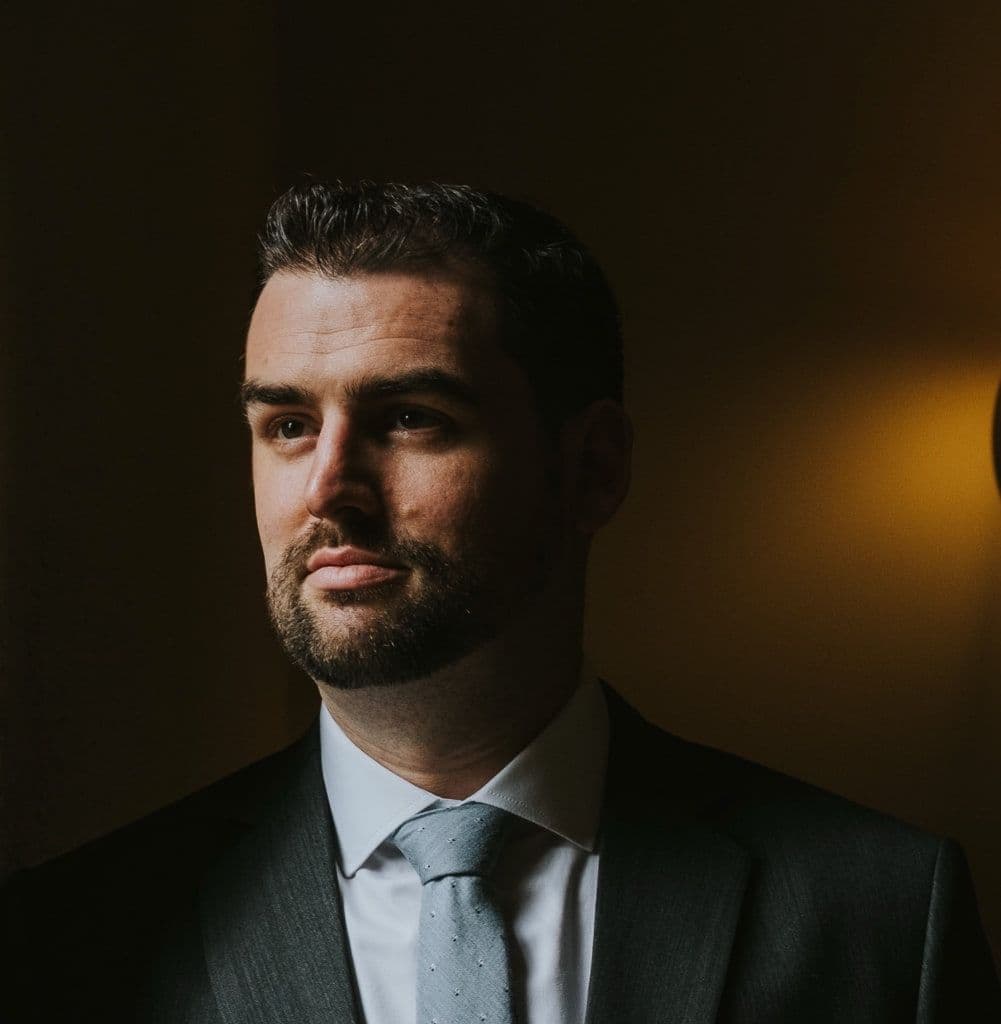
I built this organization because it should have existed when we needed it. I filed a human rights complaint because silence wasn't working. Carroll v. Ontario argues what thousands of families already know: making disabled children wait years for medically necessary services during their critical developmental window may constitute discrimination under Ontario's Human Rights Code.

Spencer Carroll
Founder & Parent Advocate
Applicant, Carroll v. Ontario (HRTO 2025-62264-I)
87,692
Registered
~20,293
In Services
~1 in 4
Accessing Care
HRTO Case Disclaimer
The legal claims in Carroll v. Ontario (HRTO 2025-62264-I) involve specific individual circumstances and are distinct from the general advocacy positions expressed on this website. This case alleges that wait times during documented critical developmental windows may constitute discrimination under Ontario's Human Rights Code.
Take Action
Join thousands of Ontario families advocating for timely autism services.
Commitment to Accuracy: Our data is verified against official government reports (FAO, MCCSS), peer-reviewed scientific literature, and accessible public records. Last updated: February 1, 2026.
Verified Facts
87,692 — children are registered in the Ontario Autism Program
1 in 50 — According to the 2019 Canadian Health Survey on Children and Youth, about children and youth aged 1 to 17 in Canada had an autism diagnosis
23.1% — 23,875 children enrolled in Core Clinical Services; 20,293 have active funding agreements ()
WHO recommends accessible, community-based early interventions for children with autism — timely evidence-based psychosocial interventions improve communication and social engagement
Stay Updated
Join 2,400+ Ontario families. We email only when something notable happens — new FOI data, policy changes, or important next steps.
No spam. Unsubscribe anytime. Your privacy is protected.
Interactive visualization of provider-to-child ratios across Ontario. Darker regions indicate more severe service shortages.
Children Waiting
87,800
Total Providers
284
Avg. Ratio
1:309
Avg. Wait
5.9 yrs
4 regions have critical provider shortages (ratio > 1:400). Families in Central East (Peterborough, Lindsay, Northumberland), Central West (Bruce, Grey, Dufferin, Wellington), Northern East (Sudbury, North Bay, Timmins), Northern West (Thunder Bay, Kenora) face the longest wait times in the province.
Click on any region in the map to view detailed service availability data, wait times, and provider information.